The Promoter's Most Valuable Asset Is Not the Event. It Is the Audience.
Events create moments. Owned audiences create leverage.
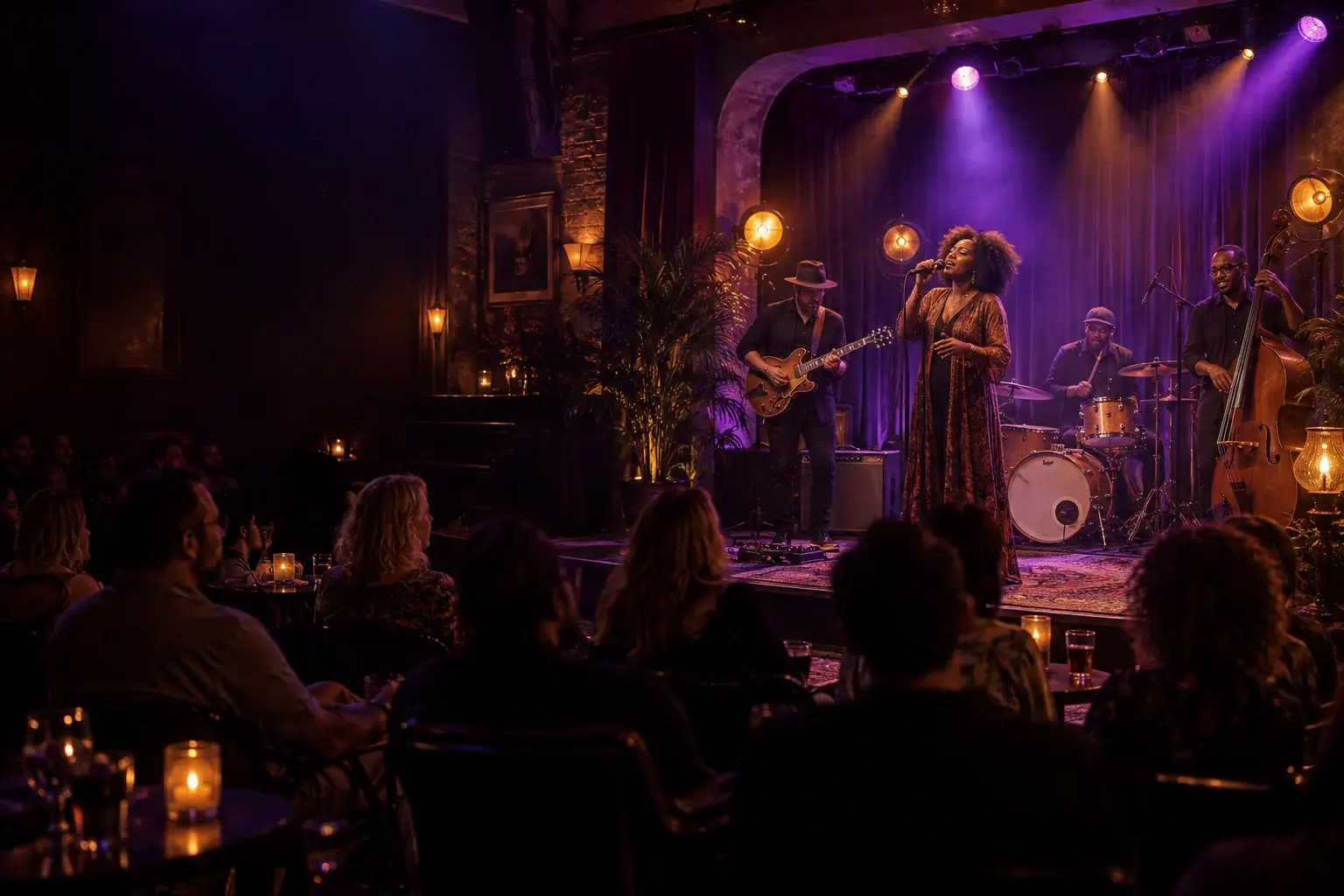
A successful event can generate revenue in one night. A strong audience can generate demand for years. That distinction changes how promoters should think about the business they are building.
Most event businesses are optimized around the event itself: book the venue, book the talent, build the creative, launch the campaign, sell the tickets, fill the room, execute, repeat.
That cycle makes sense. But there is a hidden question inside it: what did this event leave behind? If the answer is mostly revenue, photos, and social impressions, the promoter may be missing the most valuable asset the event created — the audience.
Every event creates demand signals.
Each interaction says something.
People join waitlists, click ads, visit landing pages, RSVP, buy tickets, share content, attend, return, ask questions, refer friends, engage with artists, and respond to offers.
The problem is that those signals often live across different platforms. Social knows one part. Ticketing knows another. Advertising knows another. The promoter may know less than all of them. That is an infrastructure problem.
Ticket buyers are not the whole audience.
A ticket buyer is only one stage of demand.
Ticketing platforms are essential — they solve a very real problem. But there are also people who wanted to attend but could not, are waiting for the next event, joined a city list, prefer a specific genre, came to three previous events, buy VIP, clicked but did not purchase, or are interested in another concept.
A promoter who only thinks in ticket transactions misses the wider audience around the brand.
Social followers are not owned distribution.
Social reach is rented.
Social media is one of the best discovery engines ever created for events, and promoters should use it aggressively. But the platform controls the algorithm, the feed, the rules, the cost of paid distribution, and how much of your audience sees a post.
That does not make social bad. It makes direct audience ownership complementary. A smart event business uses social to create discovery and owned channels to create continuity.
The audience should compound.
Imagine two promoters, both throwing six events a year, both selling 500 tickets per event.
Promoter A treats each event as a separate campaign — after each event, the process largely resets. Promoter B captures interest across every event, organizes attendees, tracks preferences, and communicates between events.
After one year, Promoter B does not just have six completed events. They have a growing distribution asset. The seventh event starts with more leverage than the first. That is compounding.
Audience infrastructure changes the economics.
The event is still the product. The audience makes the product easier to distribute.
Owned audience data can reduce dependency on reacquisition and support lower-cost launches, faster presales, better targeting, stronger sponsor value, new event concepts, expansion into new cities, VIP programs, community products, artist partnerships, and venue partnerships.
What should promoters actually capture?
Not everything. The goal is useful data.
Start with information that changes how you communicate: email, phone where appropriate, city, event interest, genre, event attended, VIP interest, and acquisition source.
Over time, behavior adds context. The promoter may learn who attends repeatedly, which audiences overlap, which campaigns convert, which cities respond, and which concepts reactivate past attendees.
The database becomes more useful because the history grows.
Build audience between events.
If the only communication is "buy tickets," the relationship becomes transactional.
That does not mean publishing a daily newsletter. It could be as simple as early access, next-event alerts, artist announcements, playlists, cultural recommendations, partner offers, surveys, event recaps, or preference collection.
The right cadence depends on the brand. The principle is continuity.
Segmentation matters.
A promoter should not treat the entire audience as one list.
Someone who attends Afrobeats events in Miami may not care about a house event in another city. Someone who buys VIP may behave differently from a general admission buyer. Someone who attended three events should not necessarily receive the same message as a new signup.
Segmentation allows the promoter to use the audience with more respect and more relevance.
The event should feed the next workflow.
A mature event system creates a lifecycle. The exact steps vary — the important part is that the relationship does not disappear after one transaction.
- 1
Interest captured
A person raises their hand before the event is even announced.
- 2
Event announced
Early access goes out to the right segment.
- 3
Ticket purchased
The relationship becomes confirmed attendance.
- 4
Event approaches
Reminders and event-day information go out.
- 5
Event completed
Post-event follow-up begins.
- 6
Next event recommended
The relationship carries into the next relevant show.
- 7
Reactivation
Lapsed attendees are brought back in.
The promoter becomes a media and audience business.
The event is the engine. The audience is the leverage.
The strongest promoters are not simply producing events. They are building attention, taste, community, and distribution around a point of view — that starts to resemble a media business.
The audience becomes an asset that can support multiple products: events, memberships, brand partnerships, sponsorships, travel experiences, merchandise, content, and new markets.
Did we only create revenue, or did we also increase the value of our audience?
The best answer is both.